
Jhöl's Story
Jhöl shares how he made a commitment to end a family cycle of mental health neglect, and the skills he's learned to pass on to his son.
Jhöl shares how he made a commitment to end a family cycle of mental health neglect, and the skills he's learned to pass on to his son.
Depression and anxiety can own you or you can own them, and the difference usually starts with what you say to yourself.
About Jhöl:
I spent years as a renovation carpenter and building manager before depression handed me a different set of blueprints to work from. I’m now the Founder and Executive Director of The Mensdate Project, a men’s peer support initiative running brunches and structured programs across Canada. I’m also writing a memoir called ‘What Colour Is the Sunset?’ about what it actually takes to come back from grief, trauma, and the dark.
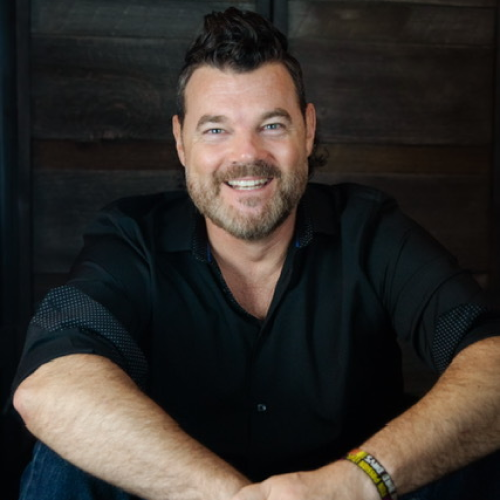
My dad told me early on, “It’s not your fault son, you’re made like me, there’s nothing you can do,” and for a long time I believed him.
The first real turn came through yoga, where some simple breathing work taught me I could actually have a different reaction… that I had more control over my feelings than I’d thought.
The second came when I watched my oldest son start carrying the same stuff I’d inherited, and I hit a wall: this stops with me. I made a commitment that day to figure it out for myself, so I’d have something real to hand him.
You don’t have to do it alone and if the thoughts have gotten dark enough that you’ve wondered about not being here, know that suicidal ideation is actually a natural response from a nervous system running past its limit. The work is to stay connected to something that matters: your kids, a friend, a parent, and to find at least one person you can talk to honestly.
Depression and anxiety can own you or you can own them, and the difference usually starts with what you say to yourself about yourself and whether you’re doing something daily to move the needle. If that thought has shown up for me, I have learned it will not fully go away… but I can make it plan Z and fill all the other spots with the things that remind me of why I’m still here.
Jhöl Unger
New Westminster, BC, Canada
The Mensdate Project
